For years, cancer patients in Malawi have faced a race against the clock to get the treatment they need before time runs out.
For little Yamikani Luciano, that dilemma ended tragically in June 2023. The boy who was diagnosed with stage-four brain cancer died hours after a public appeal for funds to enable him get treatment in India.
Doctors at Kamuzu and Queen Elizabeth central hospitals, the largest healthcare facilities in the country, concluded his case required specialist care unavailable in Malawi, but he lacked funds for the medical trip.
Ennerti Williams’ journey, documented by Doctors Without Borders (MSF), illustrates another uncertainty.
Diagnosed with cervical cancer in 2018, she moved from failed treatment searches in Lilongwe to chemotherapy at Queen Elizabeth Central Hospital in Blantyre and ultimately a waiting list for radiotherapy, unavailable in the country’s public facilities.
For her, a planned transfer to Zambia in 2020 collapsed when Covid-19 restrictions closed borders.
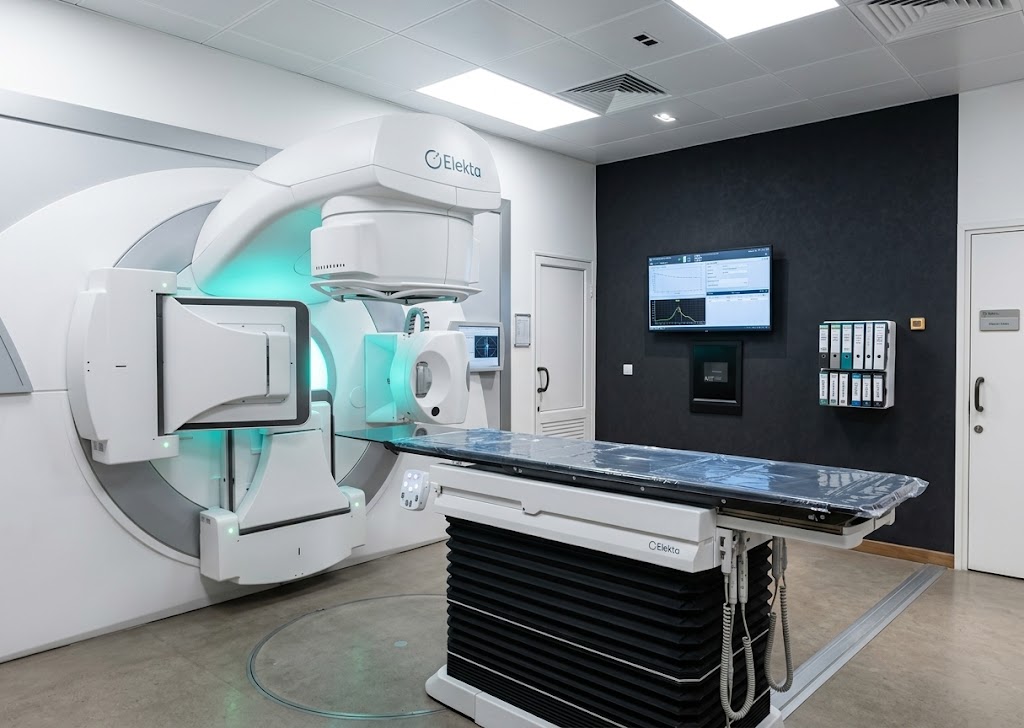
Now, a two-month-old service-level agreement (SLA) between government and International Blantyre Cancer Centre (IBCC), established by Thomson and Barbara Mpinginjira Foundation, offers hope to patients on the long waitlist.
Eligible patients who would otherwise require external referral can now get treatment at the centre in Nyambadwe, Blantyre, subject to the necessary approvals.
Parliament’s Health Committee chairperson Anthony Masamba says the savings on travel, accommodation and foreign exchange could allow government treat more patients locally.
“I expect specialised medical care to climb as locally treated patients will not require the travel and accommodation logistics associated with overseas referrals. Meanwhile, payments for treatment will be in kwacha rather than foreign currency,” he said.
In February 2024, then Minister of Health Khumbize Chiponda revealed that more than 120 patients were waiting to be flown abroad for radiotherapy.
The ex-minister disclosed that the most reliable cancer treatment option costs $15 000 per patient, excluding airfare, accommodation and guardians’ costs.
However, the agreement does not mean all cancer patients automatically qualify for treatment at the private facility.
Ministry of Health and Sanitation spokesperson Benedicto Mbewe says the new referral agreement applies to cases public facilities cannot manage because of limited expertise, technology or timely access.
Patients recommended by the four central hospitals must first be approved by an external referral committee, which determines necessity after public-sector options are exhausted.
“Obviously, the charges vary depending on the type and complexity of treatment, but treating the patient locally is most cost effective as it reduces external referral logistics costs,” Mbewe said.
For universal health coverage (UHC), the immediate significance is that a specialised service previously accessed through costly cross-border referrals can now be accessed within Malawi by eligible government-referred patients.
While this can reduce geographical, financial and logistical barriers, its impact will depend on how many patients get approved, covered, how quickly they receive care and whether public funding reaches those unable to pay privately.
That makes the service-level agreement relevant to Sustainable Development Goal (SDG) three, particularly its UHC and non-communicable disease targets. It also complements Malawi’s effort to strengthen domestic health systems rather than relying on overseas referrals for specialised care.
Meanwhile, health rights advocate Maziko Matemba urges government to assess the total economic cost of referrals.
“Evaluating this partnership requires a comprehensive total-cost economic lens that accounts for macroeconomic factors like foreign exchange preservation,” he said, citing treatment, airfares, accommodation and per diems.
Matemba said local treatment could generate net savings even if the Blantyre-based cancer centre’s tariffs exceed some overseas providers stressing the savings should be ring-fenced for domestic oncology care.
Meanwhile, government is building professional capacity at the National Cancer Centre at Kamuzu Central Hospital in Lilongwe and developing regional cancer centres to reduce dependence on external referrals.
Inaugurated in July 2025, the facility, which comprises six treatment bunkers and 80 beds, aims to offer chemotherapy and radiotherapy locally.
For Yamikani, the search for specialised treatment ended before departure. For Williams, it became a waiting list and an uncertain journey across borders.
The test of the government-sponsored referral agreement will be whether this new local referral route can translate into more timely and equitable access to specialised cancer care.